Soho Grand Hotel
CLIENT
King & Partners
TECHNOLOGIES
Ruby on Rails, WordPress (Headless), REST API, JavaScript, SASS
YEAR
2022
EXTERNAL URL
Frontend development for the flagship GrandLife Hotels property — the anchor of a multisite network that also included Soho Diner and The Django, all built on a shared Ruby on Rails and headless WordPress architecture. Full-service hotel platform with room booking, dining, events, and editorial content for a landmark SoHo property.
Development lead on this project at King & Partners.
Background
SoHo’s original boutique hotel needed a digital platform that matched its cultural weight.
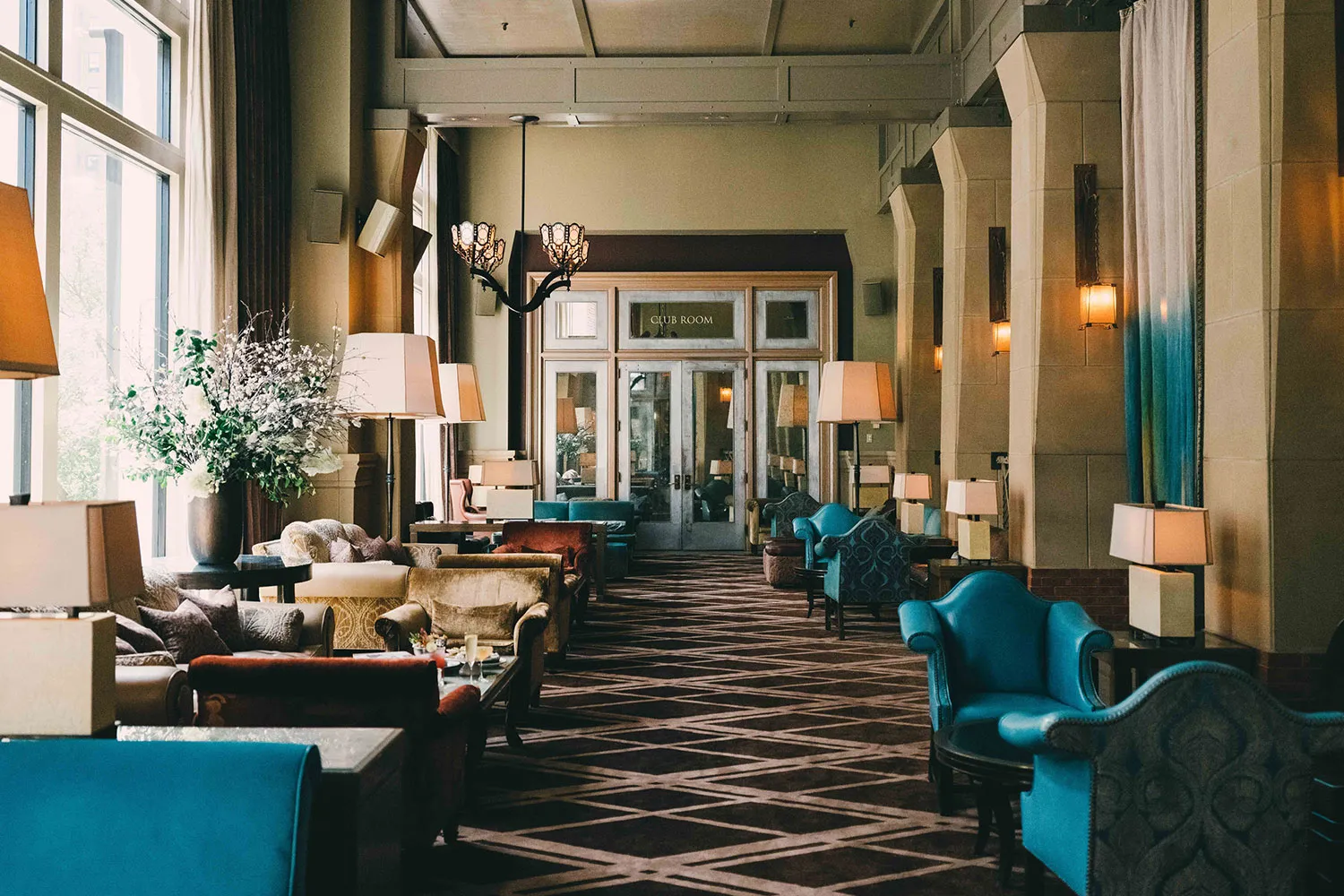
The Soho Grand Hotel — opened in 1996 at 310 West Broadway by Leonard Stern’s Hartz Mountain Industries — was the first hotel built in SoHo in over a century and effectively launched the neighborhood’s boutique hospitality scene. As the flagship of GrandLife Hotels (which also operates the Roxy Hotel in Tribeca), the 353-room property carries a distinct identity: design-forward, culturally embedded, and deeply connected to downtown Manhattan’s creative community. The timing was significant — the hotel had just completed a 25th anniversary gut renovation of all guest rooms and public spaces, and the refreshed physical property needed a digital platform to match. King & Partners, the hotel group’s long-standing agency partner for branding and digital, brought me on to lead frontend development on the Soho Grand’s web platform — a site that needed to serve as both a booking engine and a brand statement for a property entering its next chapter.
The platform had to unify room reservations, dining (including the Soho Diner and Club Room), event spaces, gallery content, and editorial storytelling under a single cohesive experience — all while maintaining the hotel’s premium brand positioning.
Implementation
Extending an established headless architecture to serve a flagship hospitality brand.
King & Partners had built a decoupled architecture for their GrandLife Hotels portfolio that separated concerns cleanly: a Ruby on Rails application handled routing, page rendering, and frontend presentation, while a headless WordPress backend managed all content through the REST API. WordPress Multisite unified the CMS layer across properties, giving each brand — Soho Grand, Soho Diner, The Django — its own editorial workspace while sharing the underlying content infrastructure. I worked within and extended this existing stack, inheriting the content modeling, API conventions, and deployment patterns, then building out Soho Grand-specific templates, components, and integrations on top of that foundation.
The Rails frontend delivered responsive page templates for rooms, suites, dining venues, event spaces, and a gallery section — each with its own content structure and visual treatment. The design system was built in SASS with custom typography and a photography-forward layout that reflected the hotel’s design heritage. Third-party integrations included booking engine widgets for room reservations, Resy for restaurant bookings, and event inquiry forms for the hotel’s private event spaces. The content layer gave the client’s team full editorial control over room details, seasonal promotions, dining menus, and cultural programming.
As the flagship property, the Soho Grand site set the standard that informed the Soho Diner and Django builds — each running its own domain and frontend while drawing from the same multisite CMS backend.
Results
A unified digital presence for a property with 25+ years of cultural legacy.
The platform launched as a comprehensive digital hub for the Soho Grand, unifying room booking, dining, events, and editorial content into a single experience that reflected the hotel’s premium positioning. The headless architecture delivered fast page loads despite heavy imagery and multiple third-party booking integrations. The WordPress editorial layer performed as designed — the hotel’s marketing team managed all content updates independently, publishing seasonal promotions, event programming, and dining updates without developer involvement.
The multisite architecture proved its value as I applied the same patterns to Soho Diner and The Django — each property maintaining its own brand identity and frontend while the client’s team managed all three from a single CMS, reducing operational overhead across the portfolio.
Related Projects

No projects match your current filters.